How to Choose las vegas top Tree Trimming Services for Professional Tree Care
How to Choose las vegas top Tree Trimming Services for Professional Tree Care
Blog Article
Expert Tree Trimming Services for a More Vibrant Landscape
Professional tree care solutions are vital for maintaining a landscape's condition and aesthetics. These experienced professionals inspect the status of trees and remove damaged branches, promoting development and safety. Periodic trimming not only enhances curb appeal but also lowers the probability of damage during storms. Understanding the intricacies of tree health and sound methods can make a meaningful difference. Yet, several homeowners overlook critical elements of this work, raising questions about their choices and outcomes.
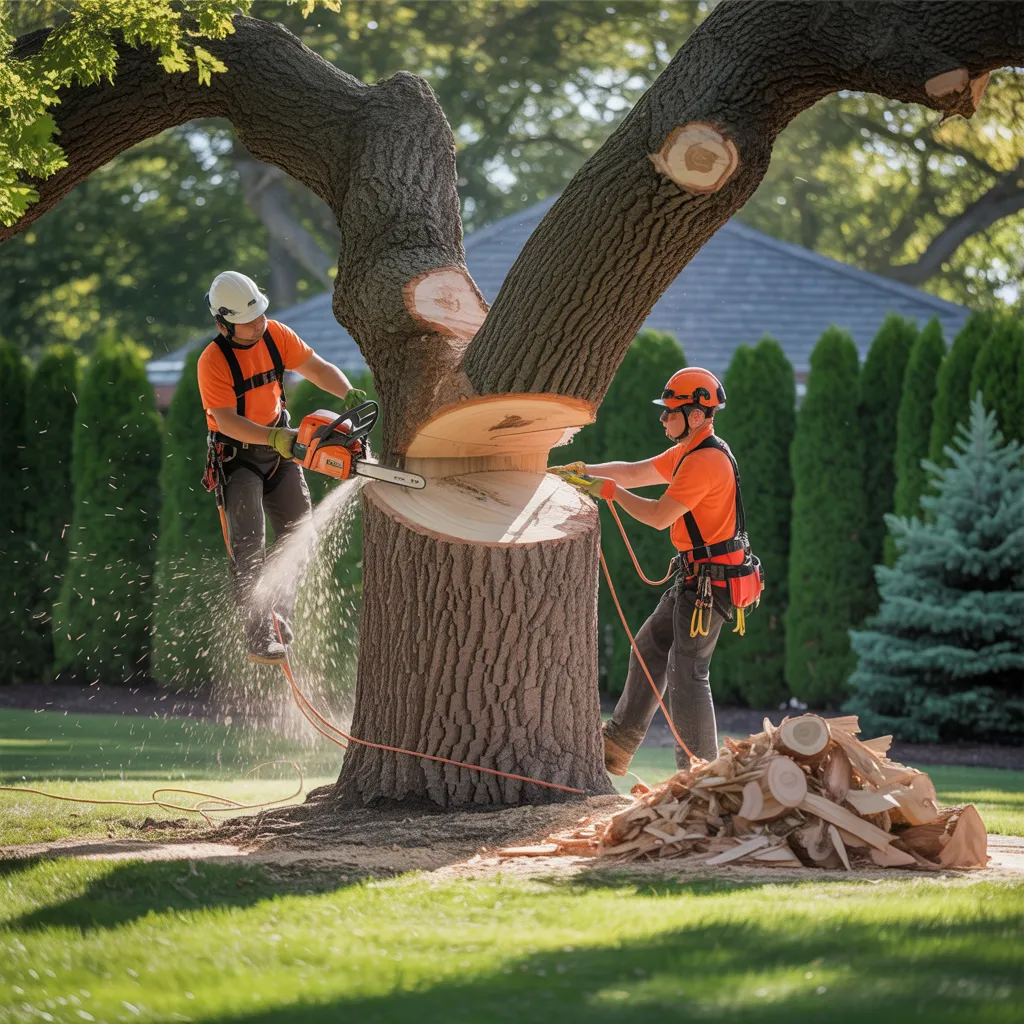
Why Professional Tree Trimming Matters for Your Home's Safety and Appearance
Professional tree trimming enhances both the safety and aesthetic appeal of a home. By eliminating diseased or excessive branches, homeowners reduce risks linked to falling debris during storms, thereby safeguarding both their property and loved ones. Furthermore, well-maintained trees contribute positively to the overall visual harmony of a landscape, creating a welcoming atmosphere.
Regarding safety, skillful pruning cultivates healthier tree growth by allowing enhanced light access and airflow. This method helps trees form a robust framework, decreasing the likelihood of disease and pest infestations. A experienced tree expert can determine which branches to cut, ensuring that the tree's inherent form is retained while boosting its visual appeal. Consistent pruning not only protects the residence but also lifts its curb presentation, rendering it increasingly attractive to guests and potential buyers. Making professional tree trimming a priority is an important step in maintaining a safe and beautiful space.
Primary Benefits of Frequent Tree Trimming for Your Landscape
Regular tree trimming provides many benefits that considerably enhance the landscape. One of the primary advantages is better tree health, as trimming eliminates dead or diseased branches, allowing the tree to focus its energy on healthy growth. In addition, regular trimming encourages improved air circulation and sunlight penetration, which can lead to a more lively and lush yard.
The aesthetic quality is another significant advantage; carefully trimmed trees establish a more polished and visually pleasing space. Moreover, routine maintenance can mitigate potential dangers, such as falling branches, which is necessary for safety. It can also help increase property value, as a well-maintained landscape is often more desirable to prospective buyers.
To summarize, tree trimming stimulates new growth and can produce a more robust tree structure, making it resilient against storms and other environmental stresses. Overall, these benefits highlight the importance of including routine trimming care into landscape care.
How Arborists Analyze Tree Health for Trimming
How do tree care professionals determine the condition of a tree before trimming? Their evaluation begins with a physical examination, emphasizing the tree's general framework, leaf condition, and any signs of disease or insect problems. Arborists inspect the trunk for splits, decay, or cankers, which can suggest underlying wellness concerns. They also check the root system to guarantee firmness and adequate nutrient absorption.
Following this, they assess the tree's age and species, as various kinds have specific growth patterns and needs. Arborists consider environmental factors, such as soil quality, light exposure, and surrounding vegetation, which can affect tree health.
Finally, they may employ tools like soil tests or bark probes to obtain more detailed information. This comprehensive assessment allows arborists to make educated choices about trimming, guaranteeing each cut promotes the tree's vitality and durability while enhancing the overall landscape.
Popular Tree Trimming Techniques You Ought to Know
Tree trimming uses various techniques tailored to encourage vigor and aesthetic appeal. One common method is thinning the crown, which entails selectively removing branches to enhance light penetration and airflow within the tree. This technique improves overall health while preserving the tree's natural shape. Another conventional approach is crown reduction, employed to lower the height of a tree while keeping its structure. This is particularly advantageous for trees that create a risk to nearby structures. Additionally, the technique of deadwooding targets removing dead or diseased branches, stopping the spread of pests and diseases. Finally, directional pruning encourages growth in specific directions, allowing for improved landscape design and avoiding obstructions. Understanding these techniques allows property owners to make educated decisions about their tree care, ensuring a healthier and more visually pleasing landscape.
Finding the Right Tree Trimming Professionals
When choosing tree trimming services, what factors should be taken into account to ensure excellence and safety? First, it is crucial to evaluate the company's qualifications, including licenses and coverage. A reputable service should have trained professionals who comprehend tree science and proper pruning techniques. Next, customer testimonials and testimonials can provide insights into the company's dependability and craftsmanship.
In addition, receiving multiple estimates enables a comparison of pricing and services available, ensuring a reasonable purchase. It's also suggested to ask about the equipment used, as latest tools can enhance wellbeing and speed.
Furthermore, reviewing the company's compliance with local regulations and environmental practices demonstrates its commitment to responsible tree care. Finally, open dialogue with the service provider about particular requirements and expectations can lead to a more satisfactory outcome. By considering these factors, property owners can make an informed choice that promotes a healthier landscape.
Methods to Get Your Landscape Ready for Branch Trimming?
Preparing a outdoor area for tree trimming begins with assessing the condition of the trees to establish the most effective approach. Removing surrounding debris ensures a secure working environment, while clearly marking the areas earmarked for trimming helps prevent any misunderstandings during the process. These steps are essential for an streamlined and successful tree trimming service.
Evaluate Plant Condition First
How might one assure a thriving tree trimming process? Examining tree condition is vital before any trimming starts. A meticulous evaluation of the tree can uncover signs of infection, pest intrusions, or architectural issues. This appraisal allows for educated selections about which branches to trim and which to leave intact, ultimately supporting the tree's overall wellness.
Moreover, examining the tree's environment, comprising soil condition and surrounding vegetation, can provide insights into its durability. Well-maintained trees are better equipped to rebound from trimming, making sure that the landscape remains vibrant. By emphasizing tree health, one sets the stage for effective trimming that boosts not only the individual tree but also the landscape as a whole.
Clear Surrounding Waste
Clearing surrounding waste is an essential step in getting a landscape for tree trimming. This procedure involves removing any fallen branches, leaves, and other materials that could obstruct the work area. By ensuring a tidy space, tree trimming professionals can operate more effectively and securely. Debris removal also reduces the risk of accidents, such as slips or trips, which could endanger both workers and equipment. Additionally, a tidy environment allows for better visibility, enabling the crew to identify potential hazards and assess the tree's state more accurately. Homeowners should also consider relocating outdoor furniture or decorations that may interfere with the trimming process, further facilitating a smooth operation and contributing to the overall health of the landscape.
Label Clipping Areas Clearly
Clearly identifying trimming areas is crucial for an efficient tree trimming process. This practice helps ensure that both the trimmers and the property owner are on the same page regarding which branches or sections will be trimmed. To properly mark these areas, the use of marking materials can be helpful. These indicators should be placed at a noticeable distance from the tree, allowing the crew to locate the target zones quickly. Additionally, informing neighbors about the trimming schedule can prevent misunderstandings and guarantee safety. Properly outlining these areas minimizes the risk of accidents and helps maintain the overall health of the landscape, making the tree trimming process smoother and more organized.
Frequently Requested Questions
How Often Should I Schedule Tree Trimming Services?
Tree trimming services should generally be arranged every 1 to 3 years, based on the tree type, rate of growth, and local climate conditions. Regular assessments can support the maintenance of tree health and prevent potential dangers.
Determining the Best Timeframe for Tree Trimming
The optimal time to cut back trees is early spring to late winter, before growth commences. This timing minimizes pressure on the trees and enables improved mending, fostering stronger and more robust growth subsequently.
Will Tree Trimming Negatively affect My Trees?
Tree trimming can damage trees if done incorrectly or too view information about frequently, causing stress, disease, or structural issues. However, when performed properly and at suitable intervals, it enhances health and longevity in trees. Correct methods are essential.
Do I need to Be Home During the Trimming?
A homeowner's attendance during tree trimming is commonly not mandatory. Professionals can manage the job independently with proficiency, ensuring quality and safety standards. However, some may want to be present for direct communication and to address concerns directly.
What Generally Expenses for Professional Tree Pruning?
Professional tree trimming usually ranges between $200 and $1,500, based on factors like tree size, location, and complexity of the job. Additional fees may apply for specialized services or emergency requests.
Report this page